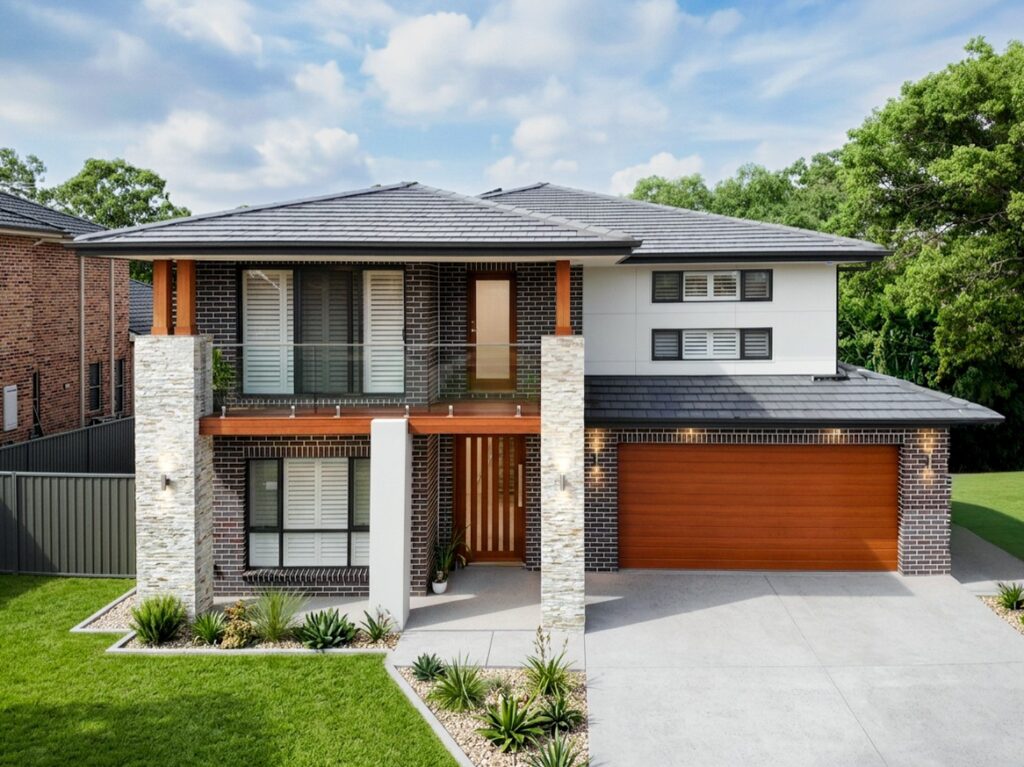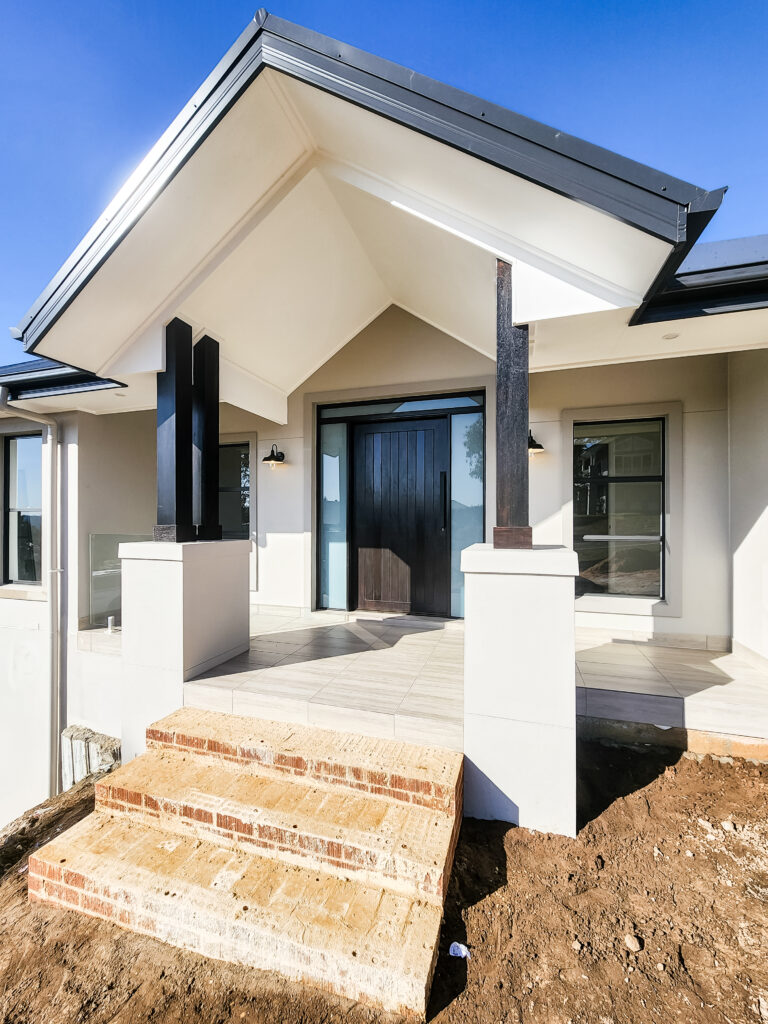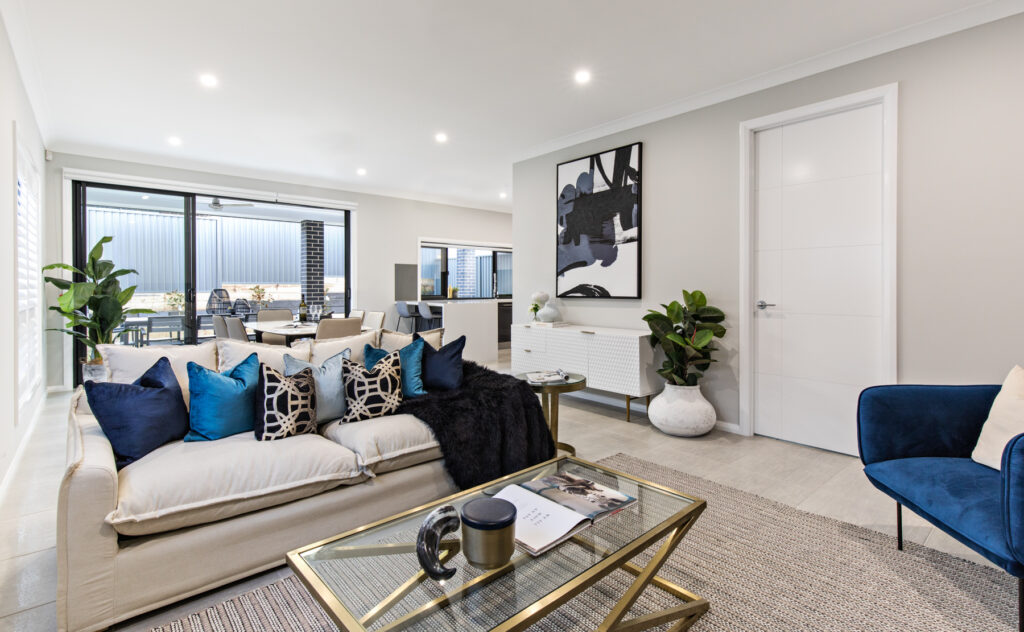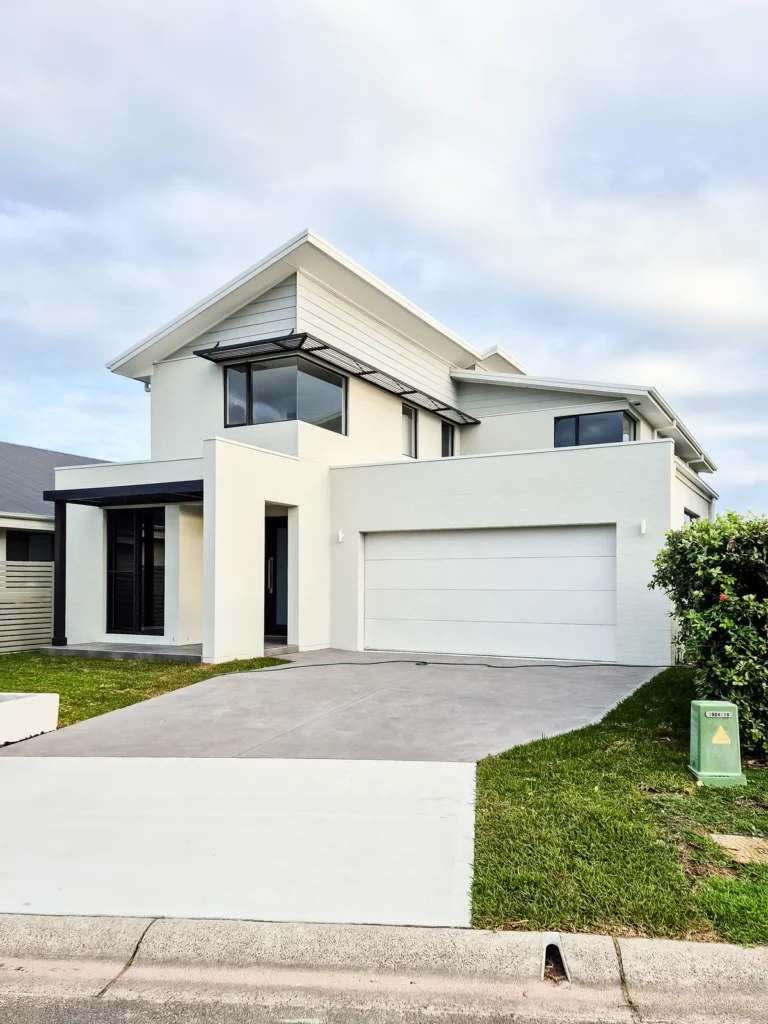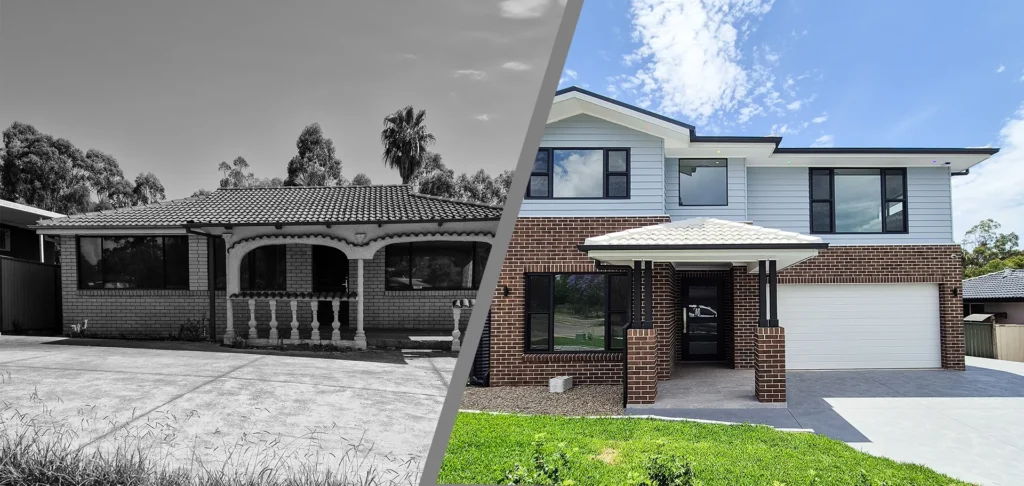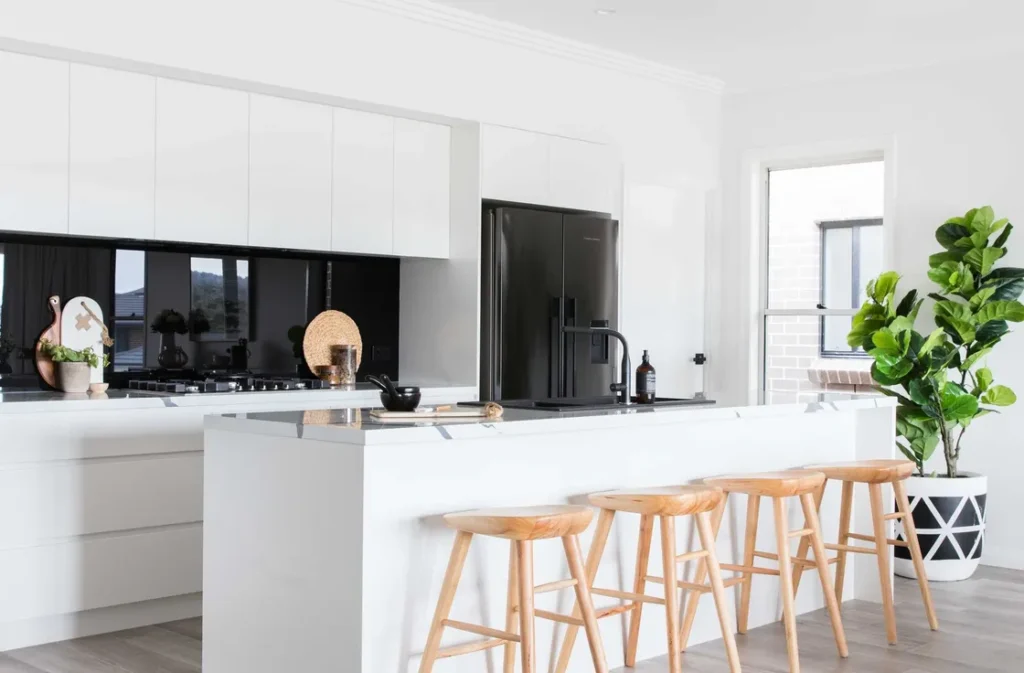
A volume builder builds large numbers of homes from a set range of designs, which keeps the starting price down and the process predictable. A custom builder designs and builds around your block, your brief and your budget, with more freedom and more direct contact with the people building your home.
Choosing between a volume builder vs custom builder comes down to how standard your block and plans are, how much you want to change, and how involved you want to be.
Volume builder vs custom builder at a glance
| Volume builder | Custom builder |
Designs | A catalogue of standard plans and facades, often shown in display homes | Designed around your block and brief, or adapted from an existing design |
Changes | Set options and upgrades, with structural changes limited or priced as variations | Layout, finishes and structure can be shaped from the start |
Pricing | Lower advertised base price, with upgrades and site costs added | Priced for your specific design and site, so the first quote is usually more complete |
Best suited sites | Flat, regular blocks, often in new estates | Sloping, narrow, acreage and knockdown rebuild sites in addition to flat, regular blocks |
Who you deal with | Separate sales, selections and construction teams | Often a smaller hands-on team, or working with the builder or director directly. |
Process | Repeatable and systemised | More design time upfront, more personal through the build |
What is a volume builder?
A volume builder, also called a project home builder, typically builds a high number of homes each year from a range of pre-designed plans. Buyers usually choose a design and facade from a catalogue or display home, then pick finishes from set inclusion levels and upgrade options.
Because the same plans are built over and over, volume builders benefit from buying power with suppliers and well-practised construction schedules. The trade-off is flexibility. Changes outside the standard options are often limited, and those that are allowed are usually charged as variations.
The NSW Government’s guide to choosing a builder notes that if you pick a builder based on a display home design, your contract should clearly set out the materials, features and finishes included. Display homes often show upgraded fittings, so checking what the base price actually covers is an important step.
What is a custom builder?
Comparatively, a custom builder, sometimes called a boutique builder, builds homes designed for a specific client and site. Your home might start from a blank page with an architect or building designer, or from one of the builder’s own designs reworked to suit your block and the way you live.
Custom builders take on fewer projects at a time, and you’ll often deal with the same small team, or the builder personally, from early planning through to handover. A custom home suits buyers who want a layout, look or level of finish that a standard plan can’t offer.
How do costs compare?
A volume builder’s advertised price is usually lower than a custom builder’s first quote, but the two numbers rarely describe the same home. Comparing them fairly means looking past the headline figure.
Base price vs final price
A base price covers the standard design with standard inclusions. Upgrades such as higher ceilings, larger windows, better appliances or a different facade are added on top, along with site costs. Excavation, rock removal and other site works depend on your land, and the NSW Government’s advice on getting quotes points out that conditions like rock beneath the surface can change the final price.
Contracts can also include prime cost (PC) items and provisional sums (PS), which are allowances for things that can’t be priced exactly when you sign. The Housing Industry Association explains that provisional sums often cover work like excavation or rock removal. If the actual cost differs, your contract price changes too.
Comparing quotes like for like
A custom quote can look higher because it already includes items a volume builder lists as optional extras. Before comparing prices, line up:
- the floor area and number of storeys
- ceiling heights, window sizes and facade materials
- kitchen, bathroom and flooring inclusions
- site costs and how much is a fixed price or an allowance
- driveways, landscaping and other external works
Our guide to the cost to build a custom home covers the main cost drivers in more detail, and our inclusions show what each of our ranges includes as standard.
Design freedom and your block
Design flexibility is where the two builder types differ most, and your block often decides how much that flexibility matters.
Changing a standard design
Many volume builders allow some personalisation, such as choosing between floorplan options, swapping a facade or upgrading the kitchen. Bigger changes, like moving walls, adding a room or reworking the roofline, are often restricted because the plans are pre-engineered. With a custom builder, these decisions are part of the design process from the start rather than priced as changes to someone else’s plan.
Sloping, narrow and knockdown rebuild sites
Standard plans are usually drawn for flat, regular blocks. If your land slopes, is narrow, has easements or sits in an established suburb, a standard design may need significant changes to fit, and extra site works can add to the cost. A custom builder designs the home for the site, which is why many buyers with a knockdown rebuild or an acreage home in mind choose this route. Our article on what to know before a knockdown rebuild explains the site checks involved.
Who you deal with during the build
With a volume builder, you’ll often work with a sales consultant first, then a separate selections team, then a site supervisor assigned to your build. Each handover is a point where details can be missed, and you generally don’t choose who supervises your site.
With a custom builder, the team will often be smaller and you’re more likely to speak with the people responsible for building your home. Questions about a design detail or a site issue can be answered by someone who knows your project well, which makes decisions faster and reduces surprises.
Whichever builder you choose, all builders use subcontracted trades for parts of the work, so the quality of supervision matters as much as the name on the contract. Ask who will run your site, how often they’ll be there and how they’ll keep you updated.
How do timelines compare?
Volume builders repeat the same designs, so their pre-construction and build stages tend to follow a well-practised schedule. A custom home usually needs more time at the start for design, engineering and approvals, and the build can take longer when the design is more complex.
Approvals affect both. Whether your home goes through a complying development certificate or a development application, and the BASIX requirements it has to meet, can change the overall timeline. Our article on how long it takes to build a house breaks down each stage.
NSW protections that apply to every builder
Whether you choose a volume builder or a custom builder, the same NSW rules protect you. Before you sign, check that:
- The builder holds a current licence. A contractor licence is required for residential building work over $5,000, and you can check a builder’s licence online through Verify NSW.
- Home Building Compensation Fund insurance is in place. HBCF cover is required for most residential work over $20,000 and must be in place before work starts or you pay a deposit. It protects you if the builder becomes insolvent, dies or disappears.
- The deposit is no more than 10%. Under NSW building contract rules, the deposit must not exceed 10% of the contract price.
- The contract is in writing. Jobs over $20,000 need a large job contract, which must include a cooling-off period of five clear business days.
- Variations are in writing. Any change to the contract must be written down and signed by you and the builder.
Statutory warranties also apply to every new home, covering major defects for six years and other defects for two years from completion, even if they aren’t written into your contract.
When a volume builder may suit you
A volume builder can be a good fit if:
- your block is flat and regular, such as a lot in a new estate
- a standard design already suits how you live
- you want a base starting price and are happy with set inclusion levels
When a custom builder is the better fit
A custom builder is usually the better choice if:
- your land slopes, is narrow, is acreage or needs a knockdown rebuild
- you want a layout, ceiling height or finish that standard plans don’t offer
- you’re building a higher-value home and want control over every selection
- you’d like to deal directly with the builder throughout the project
- you’d like freedom to make changes or variations to suit you or your family
Questions to ask any builder
- What exactly is included in the quoted price, and what is an allowance?
- Which site costs are fixed, and which could change once work starts?
- Who will supervise my build, and how often will they be on site?
- How will you keep me updated, and who do I contact with questions?
- How are variations priced and approved?
- Can I speak with past clients or see homes you’ve recently completed?
Building with BuildTec Homes
BuildTec Homes is a family-owned custom home builder working across Sydney and the Greater Sydney region. We build a limited number of homes at a time, so every client works directly with our director, Todd des-Baux, from pre-construction through to handover.
With over 25 years of building experience, HIA membership and a 7-year structural warranty, we build custom homes, luxury homes, acreage homes and knockdown rebuilds. You can start from one of our home designs or create something entirely your own, and our process shows how we take each project from site inspection to handover. You can also visit our display homes to see our finishes in person.
Frequently asked questions
Straight answers to the questions we hear most before a build begins.
Are volume builders cheaper than custom builders?
A volume builder’s base price is usually lower, but upgrades, variations and site costs can narrow the gap. Compare quotes on the same floor area, inclusions and site works to see the real difference.
Is a custom-built home better quality?
Not automatically. Quality depends on the trades, the supervision and the inclusions, whoever the builder is. Custom builders generally offer closer oversight and more say over materials, which many buyers value.
Can you change a volume builder's standard plans?
Usually within limits. Most volume builders offer set floor plan options and upgrades, while structural changes may be restricted or charged as variations.
What does custom builder mean?
A custom builder designs and builds a home for a specific client and site, rather than building from a fixed range of standard plans.
Talk to us about your build
If you’re weighing up a volume builder vs custom builder for your new home, we’re happy to talk through your block, your budget and the home you have in mind. Contact our team to start the conversation.